Secrets of Summer Planting in June and July
No Till Garden: Build Healthy Soil + Get Better Results

- This post contains affiliate links.
I understand the temptation to till your garden. There’s something in all of us gardeners that leaps with joy when we see a freshly turned bed. That rich, dark, blank canvas beckons us to come on over and work our vegetable magic.
We imagine ourselves gently planting a seedling in the fluffy soil with no straining or digging necessary.
But, garden fantasies aside, tilling the garden every year is a terrible idea in practice. Not only are you destroying the soil structure and bringing weed seeds up to the surface – you’re also creating more work for yourself.
I’m going to save you from this horrible fate by sharing why you should establish a no till garden and exactly how to do it.
Truth: I’ve gardened for 20 years and have never tilled my garden. And it’s one of the most amazing and productive gardens I’ve ever seen.
Learn About the Best Frost Protection for Plants in Spring
When we’re planting in our gardens in spring, what we should be doing for frost protection for plants is always top of mind. Especially if we look at the 10 day forecast and the temperatures dip a little too low for comfort. That’s a common spring occurrence where I live in chilly Wisconsin.
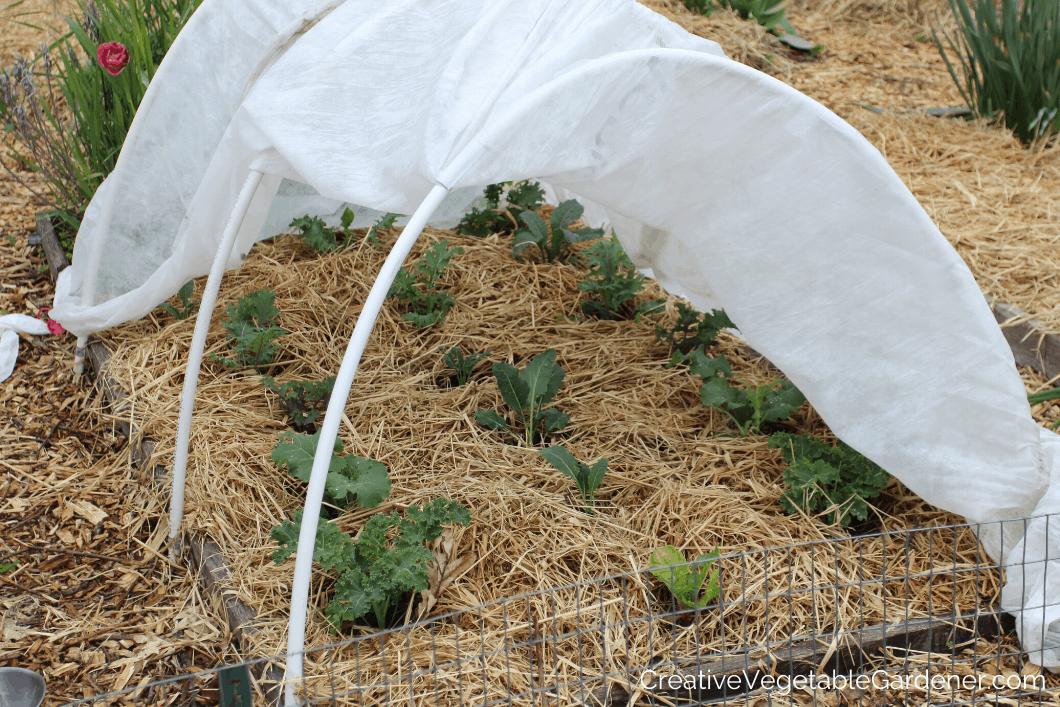
Row cover is my number one choice for frost protection every spring in my garden.
About 10 years ago I worked on an organic CSA farm and the farmer in charge exclaimed one day, “I don’t think I could run my farm in the spring without row cover.” During spring, every time we planted any seeds or plants, we immediately covered them in row cover.
Inevitably the row cover would be too short on some rows, so several plants wouldn’t get covered. In the weeks following, the difference between the plants that were under the row cover vs. those left out in the elements was remarkable!
The plants under the row cover were always bigger and more healthy looking, and the plants stuck outside were usually smaller and had more damage from frosts, insects, harsh weather and wind. This was all the convincing I needed to start using it in my own garden.
Now I say the same thing as my farmer friend, “I can’t imagine my spring garden without row cover!”
Frost protection for plants is this is the main reason I use it it in my garden in spring, but there are also many other benefits. Today I’m going to walk you through how to use it for frost protection, share the various additional reasons you might want to use row cover in spring, where to buy it, the other supplies you’ll need, and exactly when and how to use it.
If you’re looking for more information about using row cover in the fall, you can head on over to this article.
Let’s get started!
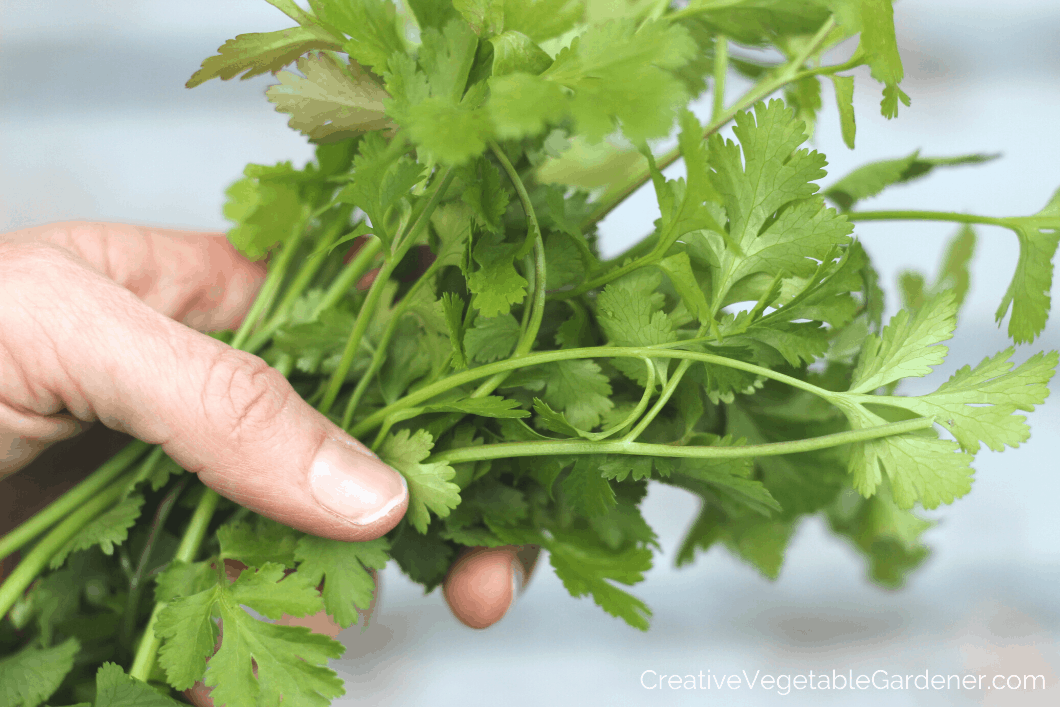
Help! How Do I Keep My Cilantro From Bolting?

“Help, my cilantro always bolts! Why can’t I grow it well in my garden?” That’s a common plea I hear from gardeners everywhere in the spring and summer. And no wonder, cilantro bolting is a very common occurrence in those seasons, and it can be very frustrating.
In this article I’m going to share my best tips for prolonging your cilantro harvest for as many months as possible.
First, let’s get clear on what “bolting” means.
What is Cilantro Bolting?
Have you ever noticed that right around the beginning of summer your cilantro crop starts to send up some taller stalks in the middle of the plant? This tells you that the plant is getting ready to flower and set seed. This process is called bolting, or going to seed.
It’s a natural occurrence that signals the end of the plant’s life cycle. It abandons leaf production and starts producing flowers and seeds so it can spread itself around and live for another generation.
So, in the case of cilantro, it shifts its focus from pumping out more cilantro leaves for us to harvest for taco night and starts sending energy to the flowering process instead.
Essential Guide to Growing Sweet Peppers

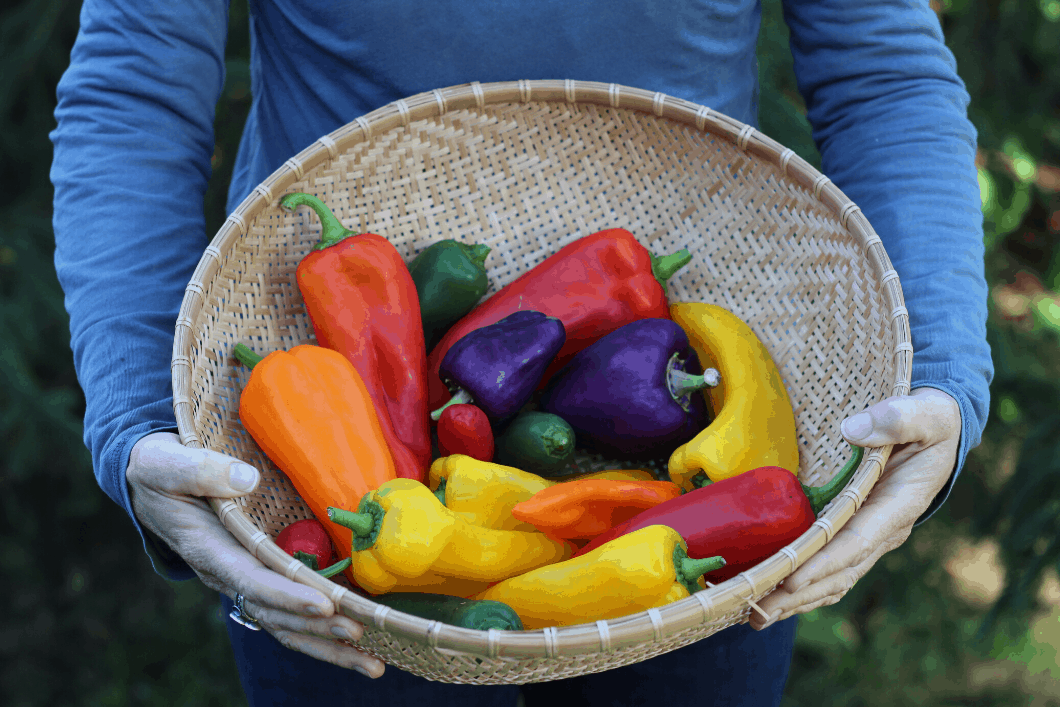
Growing sweet peppers and then harvesting large amounts of bright red, orange and yellow fruit each summer makes me feel rich like no other vegetable can. It’s one of the things I get most excited about in the summer garden.
But difficulty growing sweet peppers is one of the most common issues I hear from gardeners each year. A lot of people find it very challenging to do successfully.
In this article, you’re going to learn the secrets to growing amazing sweet peppers, even if you live in a cold climate like I do (WI, zone 5). And we’ll be focusing on how to grow ripe sweet peppers, not green peppers. Here’s why…
Green peppers are the tasteless cousins of the red pepper. In fact, I don’t waste my time with them. If possible, I wait for every single one of my peppers to turn red, yellow or orange before I harvest it.
In the book Ripe, the author, Cheryl Sternman Rule, perfectly expresses my opinion of the difference between red and green peppers:
“If a green pepper rang my doorbell, I might look through the peep hole and then pretend I’m not home, easing back from the door so it doesn’t see my shadow. But, a red bell pepper? That’s a different situation…
If a red pepper came to the door? I’d let it in, pull out a chair, and invite it to stay. Then I’d tackle it from behind and eat it.
You ring my bell, you take your chances.”
The difference in flavor between an unripe green pepper and a colorful ripe pepper is incredible. Eating a green pepper is like munching on a tasteless, fibrous piece of cardboard.
But a ripe pepper! It’s all I can do not to eat every one I pick right out of the garden. Juicy, tender, and sweet with an acidic undertone – there’s nothing like a red pepper fresh from the garden.
In this guide, I’ll walk you through the whole process of growing sweet peppers. And, when you’re reaping the harvest and hauling bowls full of red peppers to your kitchen, you can consult the easiest ways to preserve them at the end of the guide. I even share some of my favorite pepper recipes.
Let’s dive into sharpening our pepper growing skills!
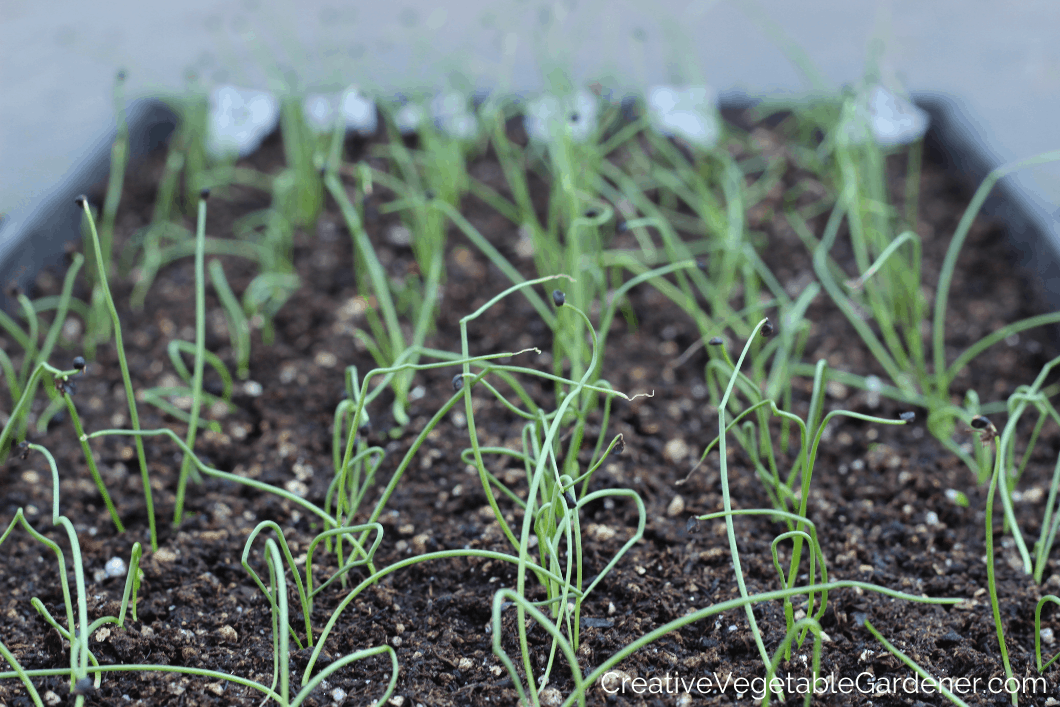
How to choose the best grow lights for seed starting

Confused and overwhelmed by all of the options for grow lights for seed starting? Yeah, me too! I’ve bee nursing along my old fluorescent light set up for the last few years and decided it was time to upgrade when one of my ballasts gave up the ghost.
The grow light landscape has changed dramatically over the last 15 years when I first set up my system. And many more options and companies means it’s become difficult to navigate the myriad of choices and decide which set up is right for you.
So, I dove in for you, spent time researching, wrote this article, and even purchased some of the grow lights I share in this article.
Let’s get started.
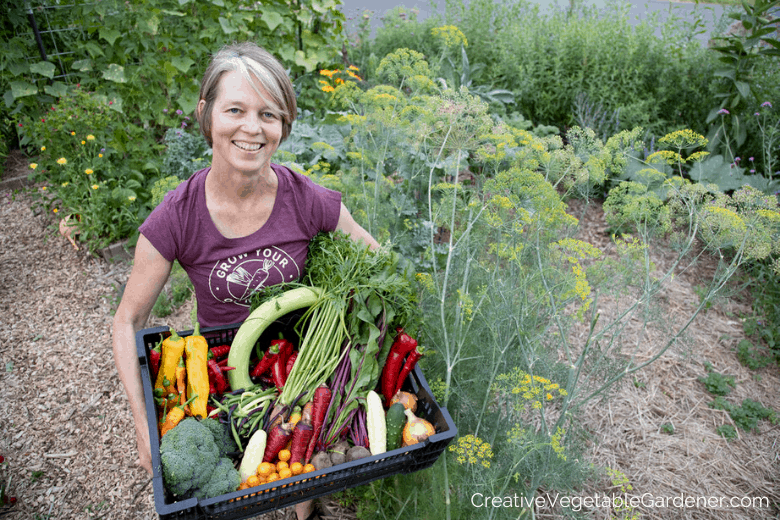
High Yield Crops: Which Vegetables Produce the Most Food?

Do you wish you got more food from your garden? I don’t blame you.
Gardening is joyful work, but it’s work nevertheless.
It’s nice to feel that the hours and sweat you’re pouring into your garden are being rewarded with large, colorful and delicious harvests.
Getting more food from your garden is an attainable goal for sure. You just need to understand some of the different characteristics of the vegetables you grow, such as – which vegetables are high yield crops?
A few years ago my sister called me from Philadelphia, where she was learning how to garden, and asked me, “When you plant one onion how many onions do you get?”
Wow! This one question from a newbie gardener completely re-framed how I look at my garden. (My sister’s always good like that!)

I had never quite thought about each vegetable in this way. When you start to examine the garden in this light there are clearly things that are more “worth it” to grow than others.
When you plant a tomato you get a lot of bang for your buck. You plant one seedling, wait three months, and then get to harvest pounds and pounds of tomatoes. That’s a pretty good investment for a $3 seedling.
Definitely on the list of high-yield crops.
On the other hand, when you plant a cabbage seedling, you wait 70 days and then harvest one cabbage. That’s it, no more, it’s over. If you want to get anything more out of that space you’ll have to rip out the remaining cabbage carcass and plant something else.
Not really on the list of high-yield crops.
Hmmm, which one sounds like a better investment to you?
Well, from an objective standpoint, we’d both probably agree that a tomato plant will definitely provide you with more food per plant.
But, there are other factors besides just yield.
Whether you think tomatoes are a better choice than cabbage might depend on how much you love cabbage and hate tomatoes. Maybe you eat sauerkraut every day for lunch so you can’t wait to fill your garden with rows and rows of cabbage.
The answer to the question, “Is it worth it to grow?” all depends on your unique perspective.
That’s why it’s important to know a bit more about the harvest categories of vegetable, including which vegetables are high yield and which are low yield, so you can make a strategic decision based on YOUR cooking, grocery shopping and eating habits and what the people in your house like to eat.
Here’s what you need to know!
So Many Choices! How to Decide What to Grow in a Garden

What exactly to grow in a garden is one of the biggest decisions you’ll make as a gardener. And it can be a daunting one.
There are SO many options and they all look enticing.
But, most of us don’t have the garden space, time or energy to grow everything listed in the seed catalog.
So, how do you decide what to grow in a garden?
In my gardening classes I try to convince encourage my students to think strategically about their gardens before placing their seed orders. Instead of running out to the nursery on the first nice day of spring and throwing plants and seeds into your cart willy-nilly (I’ve been there!), I encourage you to be more deliberate in your choices this year.
This will definitely lead you to better results in your garden. Which makes gardening feel more worth it and way more fun!
In this article I’m sharing two different worksheets from inside my Smart Start Garden Planner to walk you through the process of creating a personalized and strategic list of vegetables to grow this year.
How to choose the best varieties to grow in your garden

There are thousands of vegetable varieties out there in the gardening world. That makes it easy to get overwhelmed when you sit down to try to decide which of them to grow in your garden.
I’m a gardener with over 20 years of experience and even I start to feel stressed out when I spend too much time flipping through seed catalogues.
Every variety description makes it sound like it’s the best ever…
Superior color and flavor!
Very impressive!
A standout!
Beautiful and flavorful!
The ultimate variety!
The photos are pretty, the descriptions are tempting, and the choices can number into the hundreds for vegetables like tomatoes and peppers.
How to set inspiring garden goals for this season

This post contains affiliate links.
As gardeners, we’re all dreamers, right?
We take a miniscule seed from a colorful packet and gently place it in the soil. And in that seed is the dream of what’s to come—a bright yellow carrot, a huge tomato plant, or a sprawling squash vine.
Anything is possible in a life filled with a garden!
There’s no other time that feels more ripe with possibility than the beginning of a new year. Often, we find ourselves setting goals and intentions in various areas of our life.
But, often we forget to include our gardens in this planning and dreaming process. So, I’m here to remind you – don’t forget to carve out some time to set your garden goals, too!
In this article, I’m going to walk you through three steps for setting some meaningful and personal intentions for the upcoming gardening season.
Step #1 focuses on reflecting on the previous season before moving on to step #2, which is creating your vision for how you want your garden to fit into your life this year, and then we wrap it up with step #3, which is bringing your vision into focus.
Let’s get started!
Outstanding Vegetable Gardening Books For Your Bookshelf

If gardening is a big part of your life in spring, summer, and fall, the arrival of winter gifts you with a lot more free time in your schedule. What’s a gardener to do?
Read voraciously!
Or, at least, that’s what this gardener does.
Winter is the opportunity for us to step back from our gardens and try on some new perspectives. And the best vegetable gardening books help us do just that. Every garden writer has a different approach to the craft and their books invite you into their world for a bit.
We gardeners are visual people! That’s where a gorgeous coffee table book is the perfect choice. One that’s packed with plenty of eye candy will inspire you to dream about new designs and ideas for your garden.
And you can balance those out with the practical, educational vegetable gardening books so you can delve more deeply into the new skills you want to develop next season.
As for me, my favorite winter activity is sitting in front of my woodstove with my feet up close to the fire and a book in my hands. There’s no better way to spend a dark and frigid evening in Wisconsin in my opinion.
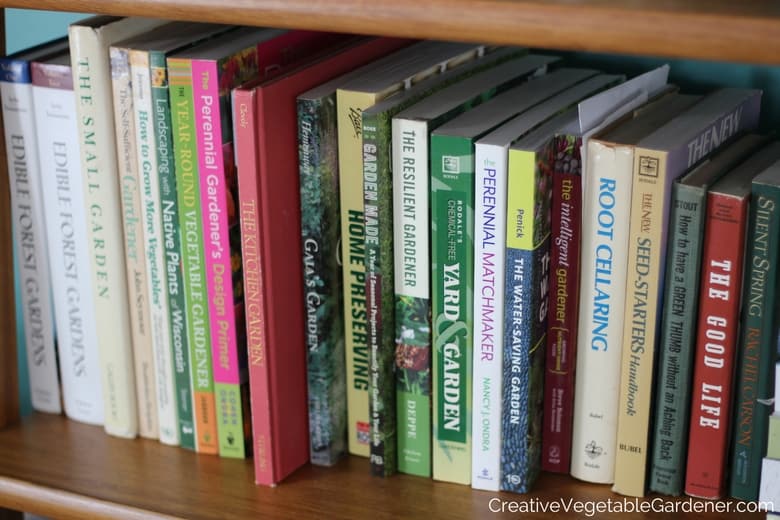
Since winter is the season of reading, I thought I’d share all-time favorite vegetables gardening books. Request them from your neighborhood library, make a trip to your local bookstore, or order them online without leaving your home.
Then curl up in your favorite chair with a cup of tea and a cozy blanket. The woodstove is optional!
10 healthy veggie side dishes straight from the fall garden

At our house, the festive fall and early winter season is all about refocusing our efforts on cooking, inviting friends and neighbors over for brunches and dinners to reconnect after a hectic summer, and hosting holiday meals or crafting dishes to bring to the houses of other holiday hosts.
The uptick in social events revolving around food, combined with the many different vegetables available during the fall harvest season, make cooking a real joy at this time of year.
Sometimes the most difficult part is deciding which of the many vegetables crammed in your fridge you want to use in a recipe.
This is also the time of year when sugar, junk food, and other holiday treats appear at every turn. That’s why it’s important to double down on eating your vegetables, so you don’t feel guilty when you do indulge in a few gingerbread cookies or a coworker’s famous chocolate beet cupcakes.
Healthy veggie side dishes are the perfect opportunity to let the tasty and colorful vegetables of fall and early winter take center stage.
And the more vegetables in a side dish, the more healthy it is in my book. (We recently counted eight different vegetables in one dinner at our table!)
The following healthy veggie side dishes have been gathered from some of my favorite food and garden bloggers.