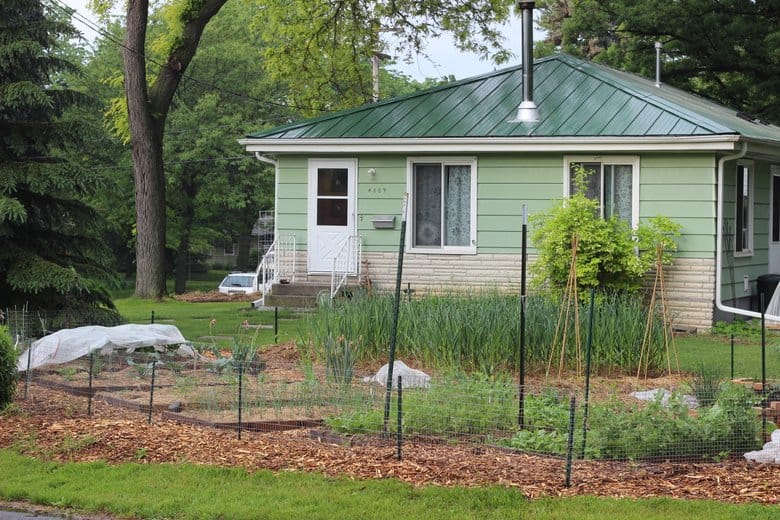
My front yard garden – the view from the street. The beginning of our second year in the house.
Two things happened in the past few weeks that led me to start thinking differently about our house and yard.
#1: When chatting with my neighbor as he was weeding his front yard garden he said, “You guys have a country lot. You have a lot going on around your house – piles of wood, gardens, projects.”
#2: An old coworker was in our neighborhood and drove by our house to check out our gardens. She said, “I love your garden, but that style would never fly in the neighborhood where I live. My neighborhood is too formal.”
These two conversations converged and I started to wonder – do we have a country lot in the city?
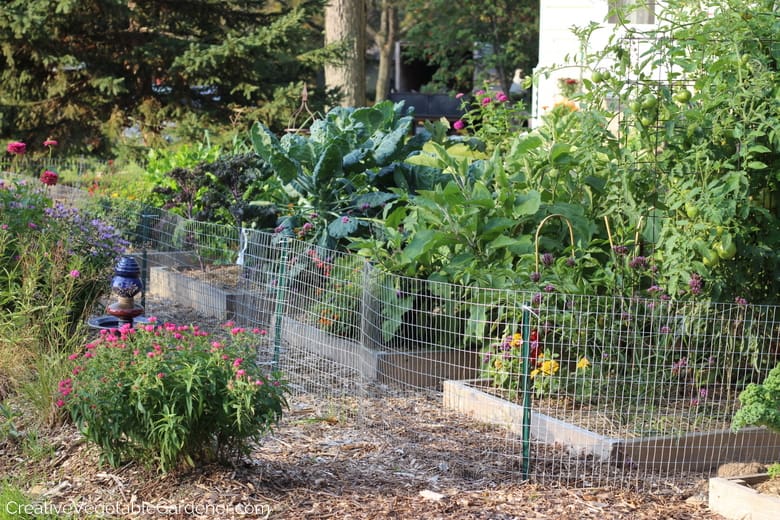
My front yard garden bursting with flowers and vegetables last fall.
I can’t help it. When I’m walking down the street past neighbors’ vegetable gardens or biking by the community gardens on my way to work I instantly start to think about what each gardener could do to get better results from her garden. I keep my mouth shut and I don’t offer suggestions unless asked directly, but I do notice.
I’ve been working with gardeners in their own yards for seven years and I’ve learned what works in most situations.
Are you feeling overwhelmed by your yard and not sure where to begin?
Do you have ideas for your garden but don’t know exactly how to translate them into action?
Do you want a professional to help you figure out how what to do in your garden?
Everything you need to know about planting raspberry canes in your garden for years of abundant and sweet harvests of this delectable berry.
If adding freshly harvested berries to your morning oatmeal sounds like a garden fantasy come true, then planting raspberry canes in your yard should be on your spring to-do list this season!
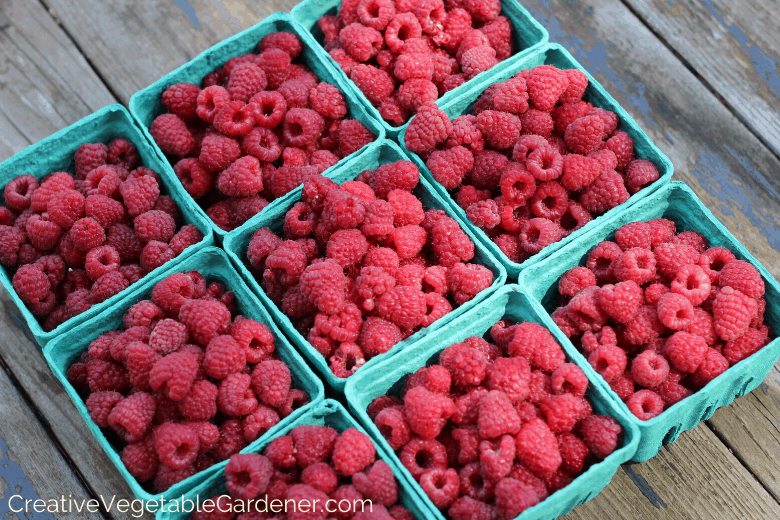
In my yard, I have two rows of raspberries and at the peak of the summer, I harvest a big bowl each morning. Sometimes that’s more raspberries than we can eat! If there is such a thing…
Although I would put raspberries on my easy to grow fruit list, there are some special considerations you should mull over before you dig in and start planting.
In this post, I’ll share some of my best tips for choosing which varieties to grow, a guide to planting raspberry canes in your yard, and how to set your patch up for success and more.
If you stopped by my garden for a visit one day and I gave you a tour of the front yard you’d likely stop, point and ask, “What’s that?”
“Oh, that’s my herb spiral!”, I’d reply.
And then you’d start asking me how I built it. (And I’d be happy to share!)
This scene plays out over and over again in my garden each year when friends, family, and neighbors get my two cent tour. My herb spiral is a conversation piece!
I decided to build it when I was expanding my front yard garden and was worried that too many square and rectangular beds would make the garden feel too linear.
Around that time I was reading The Vegetable Gardener’s Guide to Permaculture: Creating an Edible Ecosystem, which is packed with simple projects for the home gardener. An herb spiral was one of the things that caught my eye in the book and I thought it would be a perfect way to add a softer and more organic shape to my front yard garden.
Several years later it remains one of my most favorite things I’ve ever built in my garden (along with these easy DIY trellises) and it was so easy! You don’t need any special tools, talent, or know-how to build one in your own garden.
In fact, after teaching my herb workshop throughout the winter to garden clubs and Master Gardener groups, where I show people how to build their own herb spiral, I often get a few emails in the spring from people who’ve taken on the project and built one themselves after being inspired by my class.
Here’s a quick overview on how to build an herb spiral, including a fun time-lapse video filmed by a PBS show that visited my garden while I was constructing mine.
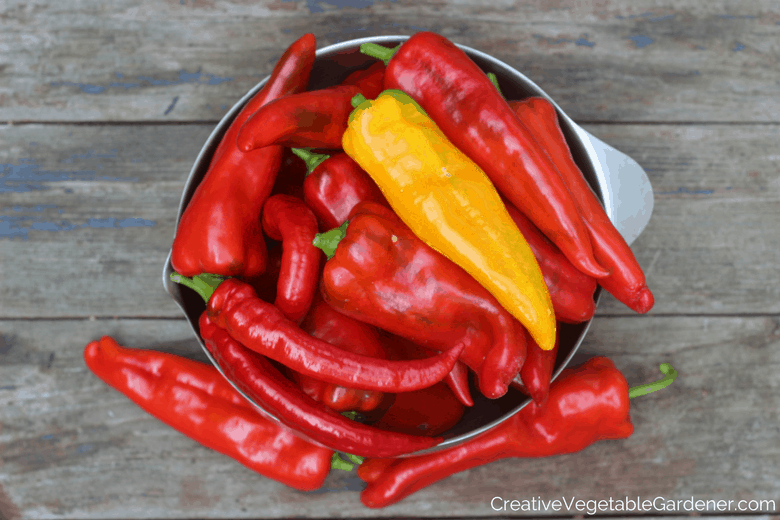
When you consider the high price of organic red (and yellow and orange) peppers at the grocery store, they might be one of the vegetables that are the most worth it to grow.
The taste of fresh red peppers from the garden is so amazing you’ll likely find yourself snacking on them before they make it into the kitchen for a recipe.
At our house during the pepper harvest season we eat as many as possible in favorite summer dishes, and then when we get our fill we freeze peppers for winter, throw them in our favorite salsa recipe, and make roasted red peppers for winter hummus wraps.
They’re so versatile, I think peppers are one of the most exciting and rewarding vegetables to grow. Every season I grow between 30-35 sweet and hot pepper plants.
But, peppers are one of the vegetables that can be tricky to grow, especially if you live in a northern climate.
Hot peppers are generally pretty easy, but if you’re aiming for red, orange, or yellow sweet peppers you might have a history of being disappointed by your plants.
This is because the varieties of peppers you choose to grow will very much determine the success you’ll have.
Over the years I’ve experimented with growing many, many different varieties of peppers in an effort to identify which ones are the best performing in my zone 5 garden.
A few months ago I embarked on the adventure of a full website redesign. During the process, I took a step back and examined what it really means to be a “creative vegetable gardener”.
When I launched my business several years ago I settled on that name because I felt it defined my gardening philosophy. It’s extremely important to me to have an efficient and productive garden; I want to get a lot of food from it. But it’s equally important to me to create a garden that is stunningly beautiful. The aesthetic joy my garden brings to my life is equally as powerful as the food it feeds me.
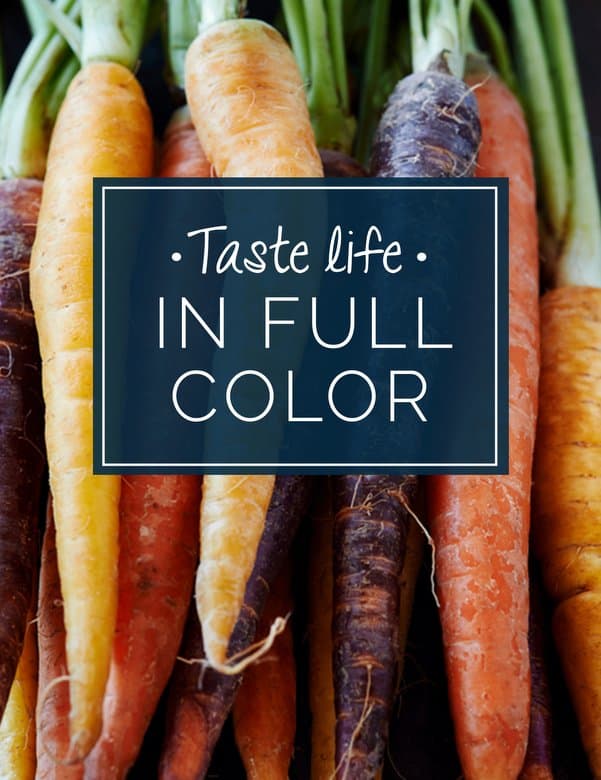
This is the ideal of my gardening experience – to get the most from my garden in all the ways possible. Spectacular color, fun experiments, interesting design, and baskets of vibrant food. Over time, I’ve started calling this gardening philosophy “gardening in full color”.
What does it mean to garden in full color?
Elevate your garden. Your garden should be a source of deep beauty and joy, not shoved away in a back corner of your yard. Allow it to be a central part of your landscape. Highlight the clean and natural beauty of the vegetables by adding touches of colorful flowers, simple garden structures and tasteful art pieces.
Keep it simple. Why over-complicate gardening when there’s a simple solution? Focus on mastering the basics and knowing what you actually need to have a successful garden. After developing your skills you can bring even more pleasure to the gardening experience with the right details and experimentation. Stick to minimal fuss – find the smart and most elegant solution.
Ask for more from your garden. When you miss out on the actual food and satisfaction of gardening, you feel the frustration of seeing no results. Don’t just dabble, embrace gardening as a lifestyle.Dive in and get your hands dirty. Set off on a lifetime adventure of learning and skill building and you’ll be able to build the garden of your dreams.
Value adventure and variety. The secret to gardening in full color is a curious, independent spirit. Nothing is quite like the thrill of grabbing dinner from your own yard, or the anticipation of discovering something new in your garden each day. Be willing to experiment with new ideas and constantly seek adventure in your own little corner of the world – your garden!
Whether you’re breaking new ground for your first garden ever or you’ve had your hands in the soil for many years, I invite you to join me in gardening in full color. Stick around and together we’ll pursue a life filled with flavorful food and garden adventures!
By the time late winter hits we gardeners are starting to feel the magnetic pull of the garden deep in our bones. If you live in a cold climate like I do, sometimes your garden is still hidden under the snow even though your heart and body are ready to get back out and sink your hands into the soil again.
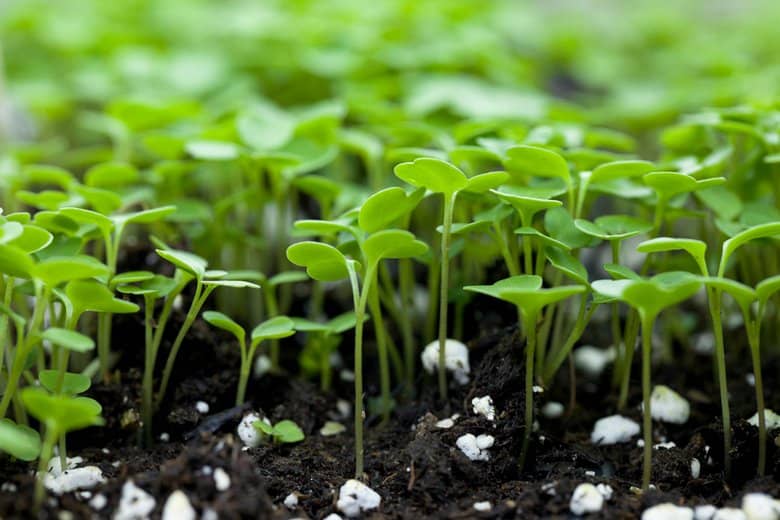
A gardener friend said to me recently, “I’m starting to get antsy.” Yeah, me too. And that’s exactly why seed starting is the perfect antidote to winter restlessness.
If you don’t currently start your own seeds at home, let me try to convince you why you should do it this year by sharing these fantastic reasons to start seeds indoors.
Adventure and freedom are two of my highest values in life. One of the ways they manifest themselves in my life is through the winter travel adventures of my husband and I embark on many years.
Over the time we’ve been together we’ve taken at least three weeks (and up to four months) off from work during winter to explore the globe. Our trips have been some of the most fulfilling, exciting, and memorable times in our life together.
The fact that we manage to take time for large chunks of travel despite modest incomes and sometimes being employed by other people has been a source of fascination for our friends and family.
This unique facet of our lives is something that most people know about us, so at this time of year when we see friends, neighbors and family they always ask, “Where are you traveling to this year?”
There are a few years we when we’ve decided to stay home in Wisconsin, but for the most part we’ve headed out in December and January in search of warmer and greener pastures.
As winter settles into the northern regions I suspect a lot of us are dreaming about vacations and tropical locations. I thought it would be fun to share with you the places we’ve visited over the past years as a way to help us all escape for a few moments to sunnier climates!
I love art. And I like to buy it directly from the people who create it. I have a collection that I rotate through my house and I’m always looking for my new favorite artist. As you might have guessed, I’m especially attracted to vegetable garden and nature based art. and always seek out new artists who dabble in this subject that’s close to my heart.
In case you’re looking for a gift for a fellow gardener, or something else to put on your own list, I thought I’d share five favorites that are part of my own collection.
One of the natural byproducts of having a garden is that you tend to cook at home more often. For one, there’s always food in the fridge that needs to be used up. And secondly, why go to a restaurant and eat out of season food from Sysco when you can have fresh, organic produce at home?
It’s very important to me to have healthy food available at home at all times. I feel best when I’m sticking to eating mostly fruit, vegetables, grains, and some protein. This means that we tend to cook dinner at home Sundays-Thursdays. Although eating healthy food is a priority for me, I actually don’t love the act of cooking that much. But, I do it because I want to eat high quality food.
A few years ago my husband read about a cleanse in a magazine and it piqued his interest. Several months later he was going through a transition time in life and decided to try the program. I volunteered to join him for the adventure.
During the week leading up to the cleanse we started eliminating the foods we wouldn’t be able to eat for the next three (!) weeks. One by one we said goodbye to coffee, chocolate, dairy, caffeine, gluten, corn, soy, sugar, alcohol and a few other yummy favorites. Once the elimination was complete we transitioned to the cleanse. The daily menu was a smoothie for breakfast, a solid meal for lunch, and a juice for dinner. Everything we ate had to come from the list of approved foods (which seemed a lot shorter than the list of forbidden foods).
Have you ever dug down to the bottom of your chest freezer and pulled up a bag of frozen cauliflower, chard, fill_in_the_blank from five years ago?
Oops, I guess your family doesn’t actually like eating frozen cauliflower. Yea, me neither.
We’ve all preserved foods that we never get around to using. It’s just part of the learning process. But, when you really think about it, putting away food that you never eat, and even end up throwing away, is a complete waste of time and money.
Instead of feeling guilty when you find 10 forgotten jars of pickled beets in your basement, what if you never ended up with wasted food, to begin with?
This is where thinking strategically about food preserving comes in. You need to take a close look at your eating, cooking, and grocery shopping habits before you start wielding the kitchen knife. When deciding what to put away for the winter, think first about what foods you actually eat throughout the year.
It sounds obvious, but not looking at the whole picture and acting in the moment to preserve whatever we have pouring out of our gardens leads many of us to preserve foods we never get around to using.
The following questions dig deeper into your lifestyle and help you identify which foods should be on your food preserving priority list. When answering the questions, focus on vegetables and fruits you can grow in your garden or buy at your local farmers market.
[fancy_box id=3 linked_cu=6989]Get your FREE worksheet with questions to help you set your food preserving priorities this season.[/fancy_box]



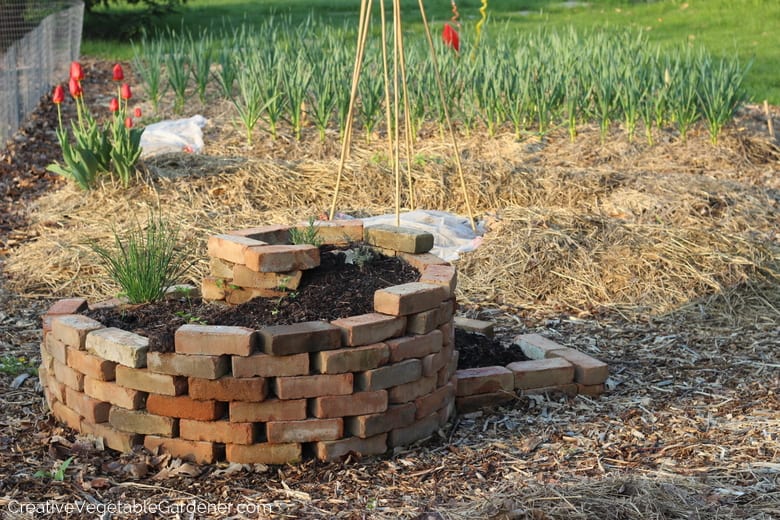
 , which is packed with simple projects for the home gardener. An herb spiral was one of the things that caught my eye in the book and I thought it would be a perfect way to add a softer and more organic shape to my front yard garden.