Broccoli is a pretty common ingredient in a lot of dishes all year round, and in winter I find I’m mostly using it in cooked dishes, so having it frozen doesn’t feel like a downgrade.
It’s also practical: organic broccoli can get expensive at the grocery store in the middle of winter. Home-grown broccoli is more tender and tasty than store-bought too, so if you grow a spring and fall crop each season, you’ll end up with plenty to freeze.
Favorite Varieties for Growing and Storage
- Spring: Gypsy, Packman
- Fall: Arcadia, Marathon
When to Harvest
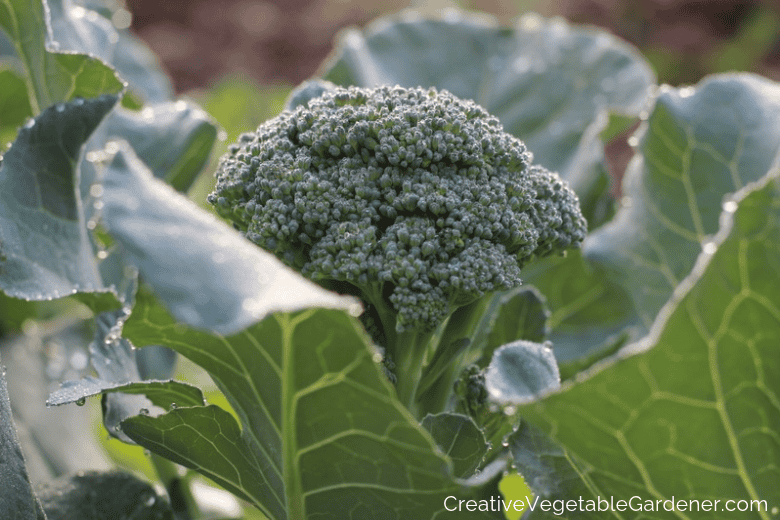
Broccoli takes around 65 days from planting a seedling to harvesting the broccoli head, depending on variety. It can be a little tricky to know the best time to harvest it. I always want to give it time to get as big as possible, but I don’t want it to move into the flowering stage.
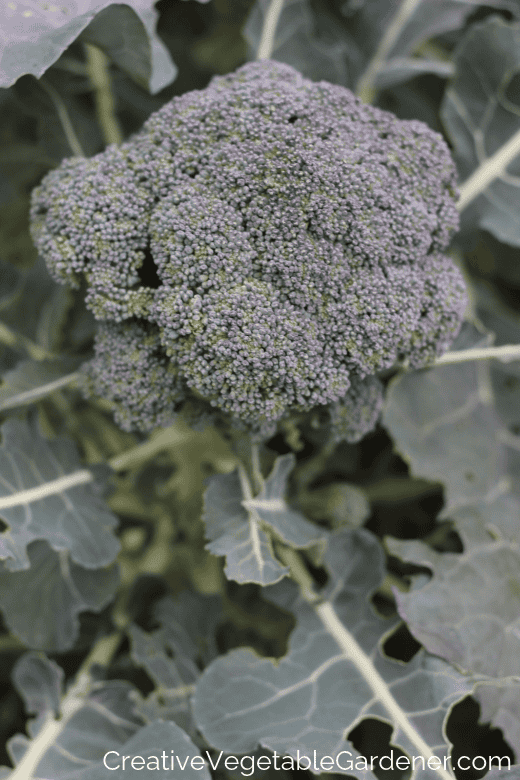
You should harvest when the buds are still tight. If you pay close attention, you can see when the plant starts to move towards flowering – the individual broccoli buds start to loosen up and separate. Each bud is a flower and will eventually send up a yellow bloom as part of its reproductive cycle. You want to harvest the broccoli way before this happens.
What If You Don’t Grow Broccoli?
If you’ve read my Smart Start Garden Planner you know that I take the characteristics of vegetables into consideration when deciding whether I think something is “worth it to grow” in my garden.
I’m often on the fence about broccoli. It’s in the Plant One – Harvest One category in my book. When you plant one broccoli plant it will produce one large head of broccoli. You’ll harvest that head and it won’t grow another one. It may continue to put out little baby broccolis (called side shoots), but you’ll never get another big one on the same plant.
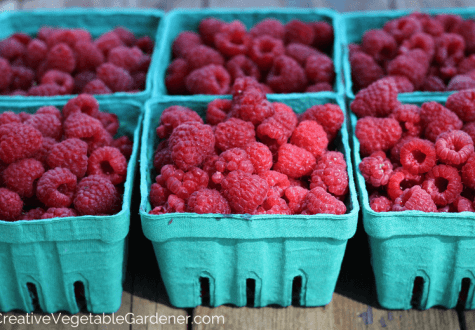
This makes me hesitant to devote too much space to it in my garden each season. Instead, I go to the farmers market in fall and buy several large bags of broccoli from a few of my favorite farmers to freeze for the winter.
This was a revelation I had one year – I don’t have to grow everything I preserve!
What You’ll Need
- Cutting board
- Knife
- Steamer or stockpot
- Sink or bowl with cold water and ice
- Salad spinner (or towels)
- Cookie sheet
- Compost bin
Best Storage Containers
Quart freezer bags, plastic containers, or glass jars all work well. Broccoli is dry enough that you can safely freeze it in glass — old canning jars work great for this. Just be sure to write the date on the lid so you know when it was frozen.

How to Freeze Broccoli
Step 1: Soak out any cabbage worms. It’s common to find cabbage worms in broccoli. Soak your harvest in a bowl or sink full of salted water for 20 minutes — the worms will float to the top.
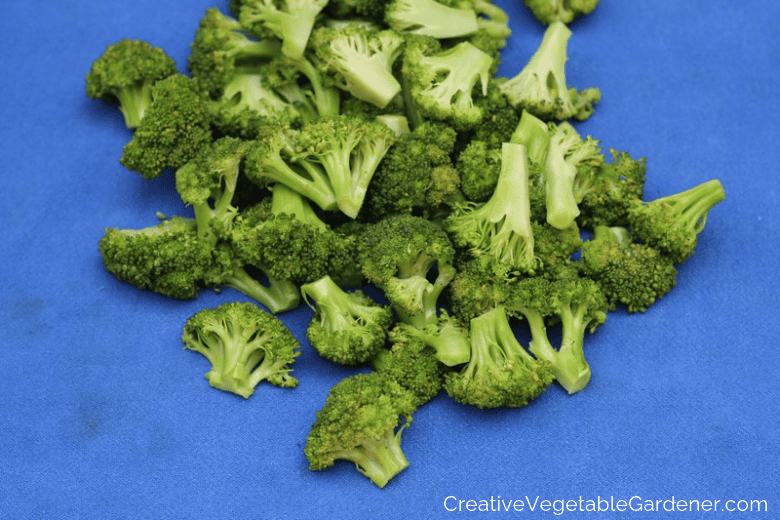
Step 2: Chop to size. Cut the broccoli into bite-sized pieces.
Don’t Forget the Stems
Don’t toss the stems — they’re tender enough to freeze right along with the florets. If you are freezing freshly harvested broccoli the stems should be nice and tender. If not, you can peel off the tougher outer layer if it seems fibrous. Chop the stems into bite-sized pieces and follow the same steaming and freezing process.
Step 3: Steam or blanch. I prefer steaming my broccoli because I find it easier to monitor how quickly it’s cooking. Cook just until the broccoli turns bright green, about 3–5 minutes. Broccoli goes from perfect to overcooked very quickly, so stay close to the stove. Check it with a fork and pull it when it’s al dente or slightly underdone — if you overcook it now, it’ll turn mushy later when you cook with it.
Step 4: Stop the cooking. Immediately transfer the broccoli to a sink or bowl of ice water. This cools it quickly so it doesn’t keep cooking after you’ve pulled it from the stove. After a couple of minutes, put it in a colander to drain.
Step 5: Dry it off. Spin it dry in a salad spinner, or pat dry with towels. When vegetables go into the freezer wet, ice crystals form, so sometimes I’ll leave the broccoli out on towels on the counter to air dry for an hour or so.
Step 6: Pre-freeze on a cookie sheet. Broccoli tends to stick together in the freezer, similar to corn, so spread it out on a cookie sheet and freeze it that way first. That said, I’ve skipped this step before and it still turned out fine — it’s pretty easy to break apart even if it does clump a little.
Step 7: Transfer to containers. After 1–2 hours, move the frozen broccoli into your storage containers of choice.
Step 8: Record the date and how many containers you’ve frozen, I use a simple binder for my recordkeeping.

How Long It Will Last in Storage
Up to one year. Ideally you’ll eat all of the vegetables you’ve frozen over the winter. The quality starts to degrade the longer it sits in the freezer.
How Much Should You Freeze?
I usually put away 7–10 quarts of broccoli for use out of season. Keeping a simple record of how much you use each winter is the easiest way to figure out your own target for next year. I have a simple binder where I write down what I preserve each season.
Cooking Tips
There’s nothing worse than overcooked, mushy vegetables! Broccoli can overcook very quickly when it’s frozen. Add it to your recipe with just enough time left for it to cook slightly, rather than adding it at the start.
Another technique I’ve used is to saute it by itself in a cast iron pan with oil until it gets a little crispy. Then I’ll add it to the dish I’m cooking right before serving.
Favorite Recipes
- Easy Veggie Stir Fry – Love and Lemons
- Cream of Broccoli Soup – Cookie and Kate
- Megan’s Easy Pizza, from my own book, Super Easy Food Preserving
- Beyond specific recipes, frozen broccoli is an easy addition to frittatas, quiches, casseroles, soups, and stir-fries all winter long.
Frequently Asked Questions About Freezing Broccoli
Can you freeze broccoli without blanching it?
You can freeze it raw, but I’d steam or blanch it first for the best results. Cooking it briefly stops the enzyme activity that causes frozen vegetables to lose color, flavor, and texture over time. Skipping this step is a fine shortcut if you’re short on time, but the broccoli won’t hold its quality quite as well over many months in the freezer.
Is it best to freeze broccoli raw or cooked?
Cooked — specifically, cooked just short of done. A quick steam or blanch (3-5 minutes, until it turns bright green) locks in the color and texture much better than freezing it raw.
Can I just cut up broccoli and freeze it, skipping the other steps?
You can, but I wouldn’t recommend it. At minimum, I’d still do a quick steam and an ice water bath — those two steps make the biggest difference in how well your broccoli holds up in the freezer. The salted water soak (for cabbage worms) and the pre-freeze step are more about convenience and are fine to skip if you’re in a hurry.
Does broccoli get soggy after freezing?
It can, if it’s overcooked before freezing or thawed and cooked for too long afterward. The key is slightly undercooking it during the initial steam or blanch (aim for al dente), and then remembering that it’ll continue cooking fast once you add it to a hot dish later — that’s why I add it to recipes with just enough time left for it to heat through.
Whether you’re working through a farmers market haul in the fall or your own garden’s harvest, a little effort at the freezer now means broccoli that’s ready to go all winter. Once you’ve got a stash in the freezer, you’ll wonder why you ever hesitated to give it a permanent spot on your preserving list.