After teaching gardening for over 20 years, I can confidently say that many gardeners in colder climates like mine have difficulty growing peppers. The problems often begin in late winter when gardeners are starting peppers indoors and continue into the summer when they wonder why are their pepper plants not growing.
I used to struggle with growing peppers as well, until I figured out the various factors that can negatively affect peppers. Once you can identify and solve for these issues, you’ll be well on your way to abundant and colorful pepper harvests every summer.
Let’s get started exploring the reasons why your pepper plants might not be growing as well as you’d like.
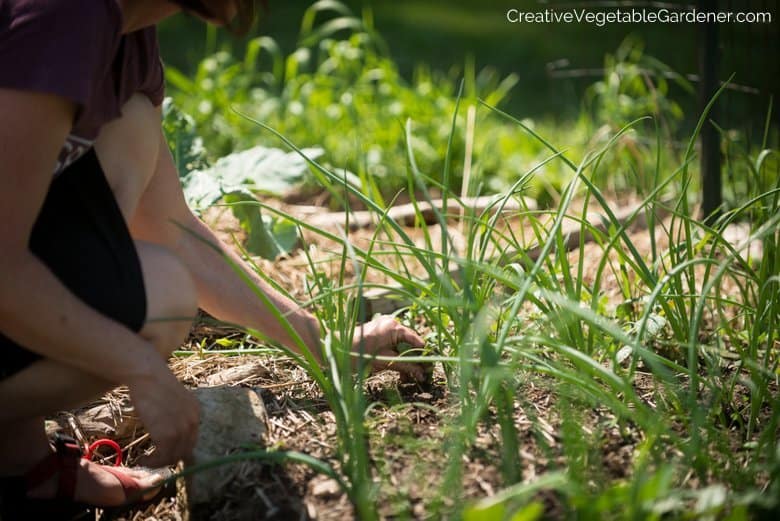
First, let’s start with the bad news – there’s not actually such a thing as a weed free garden. Sorry. Some weeds will always be a part of your garden reality.
But, I also have some good news…you can definitely have a weed less garden.
Dealing with lots of weeds in the vegetable garden, especially in summer, is a common complaint I hear from many gardeners.
A few months ago a fellow gardener said to me, “I hate going away in the summer for a week vacation because when I come back my garden is taken over by weeds.”
I was taken aback when they said this.
Why? Because this should absolutely not happen in your garden.
Let me repeat, you should be able to go away for a week at any time during the season and not come home to a garden mess. There are several points during the season where I go on vacation and when I return, my garden looks pretty much the same, except for surprisingly bigger plants.
In this article, you’ll learn how to incorporate some strategic techniques so you’ll spend less time weeding your garden and more time enjoying it.
Who doesn’t love peppers? They’re crunchy, sweet or spicy, and they’re wonderful eaten raw or cooked. If you’re like many gardeners, you’ve even plucked one straight from the plant and eaten it on the spot.
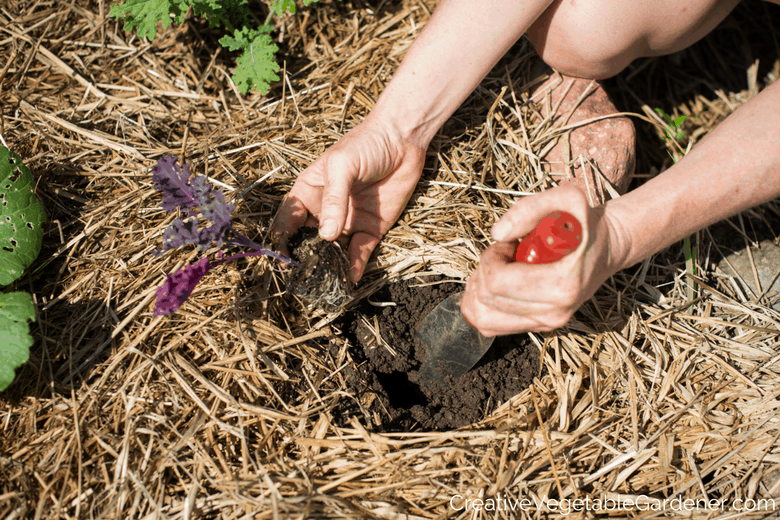
They’re not always easy to grow, but it sure is gratifying to see those small seedlings flourish and produce fruit. (Plenty of tips for growing sweet peppers in this article.)
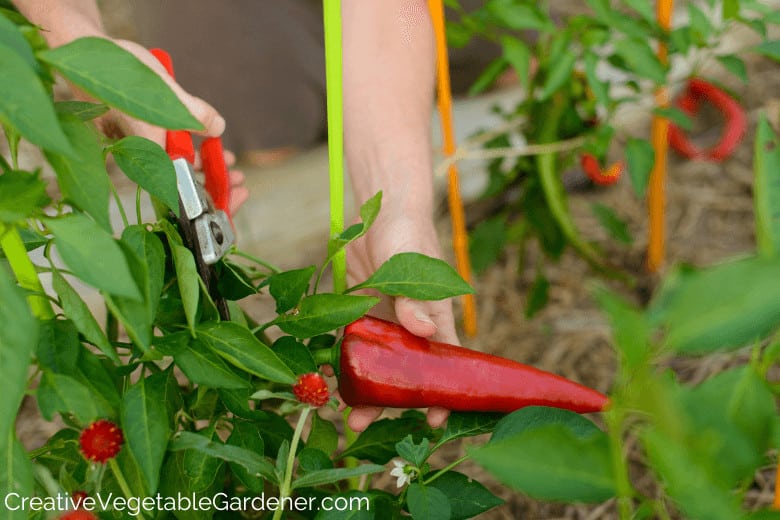
Like many plants, peppers can benefit from some pruning during the season. It’s not necessary, but I suggest experimenting with it to see if you notice any improvement in your pepper crop.
Many gardeners ask the following questions about pruning pepper plants:
What pepper plants should I prune?
When should I prune?
How should I prune?
In this article, I’ll share some advice on the best methods for pruning pepper plants.
Growing peppers can be tricky for many gardeners, and if you do succeed, when exactly to pick peppers can be confusing.
Here’s my first recommendation – you should not pick the majority of peppers when they’re green.
Green peppers are the tasteless cousins of red, orange and yellow peppers. In reality, they’re just an unripe pepper, similar to a green tomato. I don’t waste my time with them. If possible, I wait for every single one of my peppers to ripen before I harvest it.
In the book Ripe, Cheryl Sternman Rule, perfectly expresses my opinion of the difference between red and green peppers:
“If a green pepper rang my doorbell, I might look through the peep hole and then pretend I’m not home, easing back from the door so it doesn’t see my shadow. But, a red bell pepper? That’s a different situation…
If a red pepper came to the door? I’d let it in, pull out a chair, and invite it to stay. Then I’d tackle it from behind and eat it.
You ring my bell, you take your chances.”
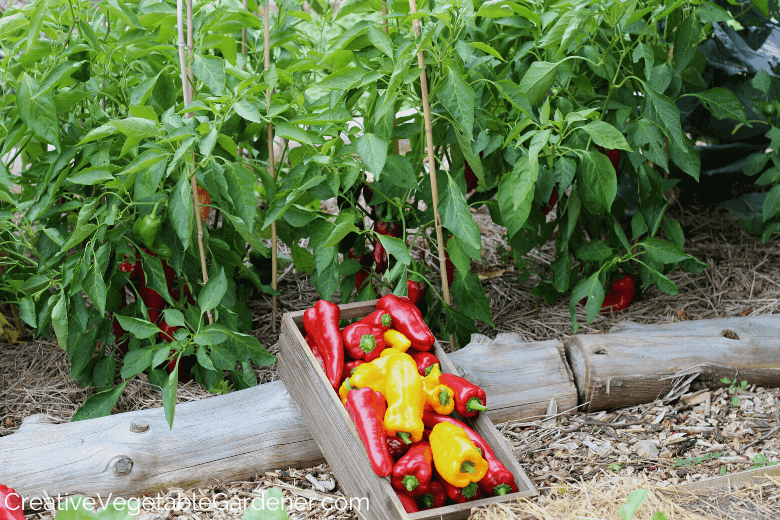
You can eat peppers when they’re still green, but the flavor and vitamin content increases as they ripen to yellow, orange and red. I try to practice patience and wait until the entire pepper has turned its intended ripe color.
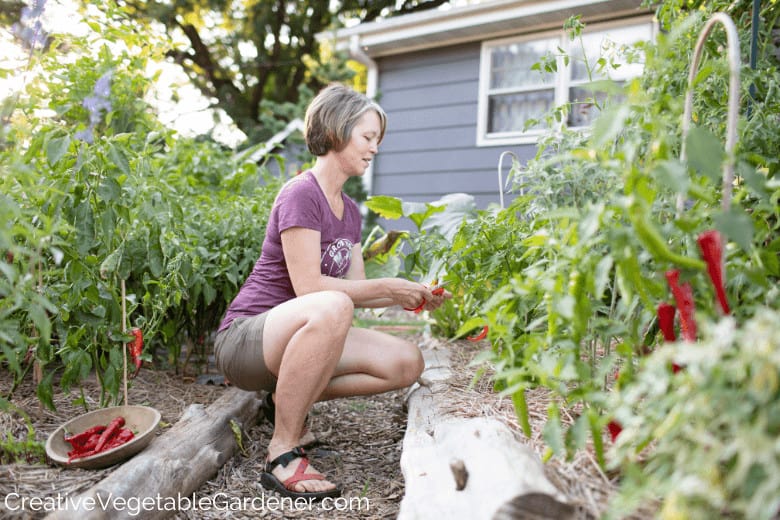
During the height of the late summer harvest season, I can often be found out in my garden harvesting bowls and bowls full of red, orange and yellow peppers.
Join me and learn how to know when to pick peppers in your garden.
Whether you’re a rural dweller with a huge vegetable garden or an urbanite who practices small space gardening, you’ve probably tried your hand at growing tomatoes. Everyone loves the savory taste of homegrown tomatoes, and growing them can be fun.
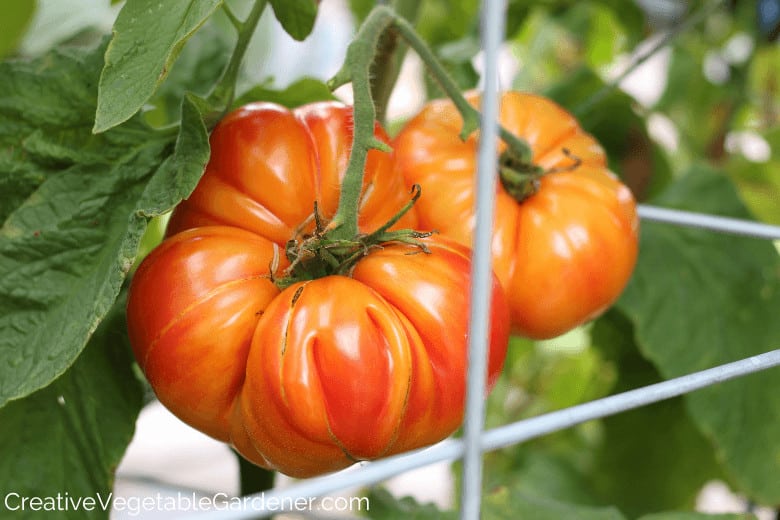
While growing tomatoes has its rewards, it also has its challenges. Because tomato plants grow rapidly, they need to be caged or the tomato stems can bend or even break, spilling all of that beautiful fruit on the ground.
So what do you do? You’ve probably heard that many gardeners use tomato cages. But you may be unsure of how to buy and use them. In this article, I’ll share some tips on how to use tomato cages to assure that you have plenty of ripe, juicy tomatoes all season.
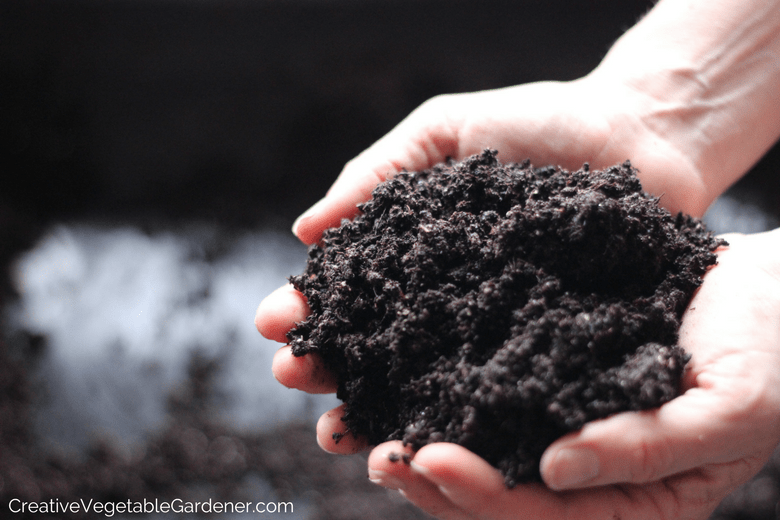
Soil! It’s health (or lack thereof) is one of the most important factors in the success in you garden. But, what is the best soil for a vegetable garden?
There are a lot of different opinions out there, and plenty of internet ads telling you to buy bagged soils and compost that will solve all of your problems.
The answer isn’t so simple because there is a complex web of life that lives under the soil surface, along with the nutrients your plants need to grow and flourish. Dumping a bag of compost onto a garden bed isn’t going to magically result in amazing plants.
Believe me, I’ve tried that.
Instead, let’s walk through a little tutorial about soil and nutrients. I didn’t understand soil when I first started gardening and my plants suffered because of it.
You can absolutely have a thriving vegetable garden if you take some steps to understand what plants need to grow, discover the quality of your garden soil, and learn the actions you can take to build up the nutrients.
Let’s dive in to the best soil for a vegetable garden!
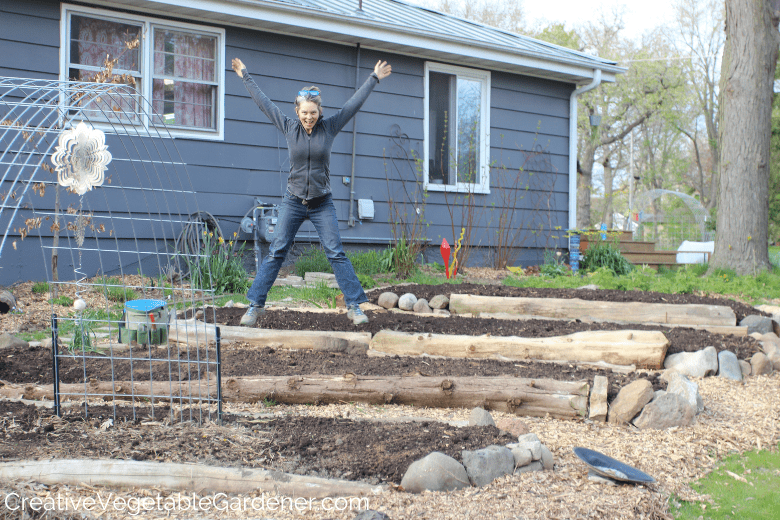
One of my missions is to bust the misconception that vegetable gardens aren’t attractive. I strongly believe that you can have a vegetable garden that produces a lot of food and is beautiful to look at.
What’s the secret?
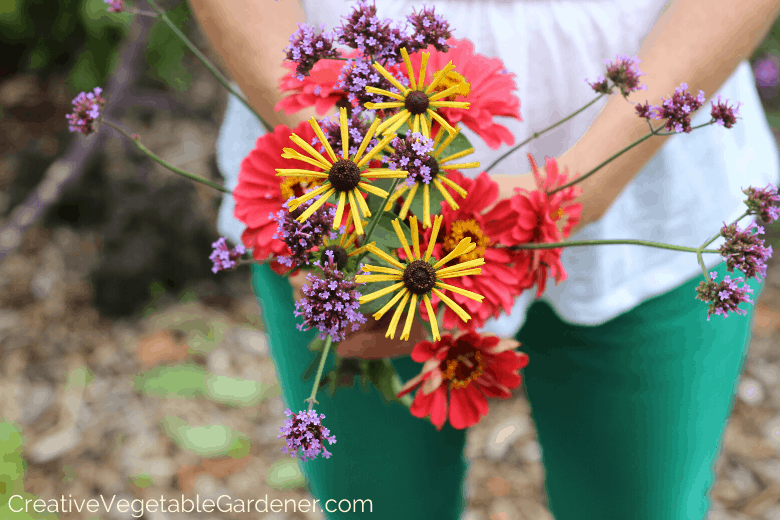
Plant lots and lots of flowers among your vegetables. Annuals are my flowers of choice, although I also plant spring bulbs in my vegetable beds for some early season color.
Tucking flowers throughout your garden will add colorful pops of beauty to draw the eye into and around the space, attract tons of beneficial insects like bees, butterflies, and hummingbirds, and impress your neighbors because they’ve never seen a vegetable garden looking so good!
In this article, I’ll share the best flowers for raised beds. This list features my absolute favorite flowers I’ve been growing in my vegetable garden for many years.
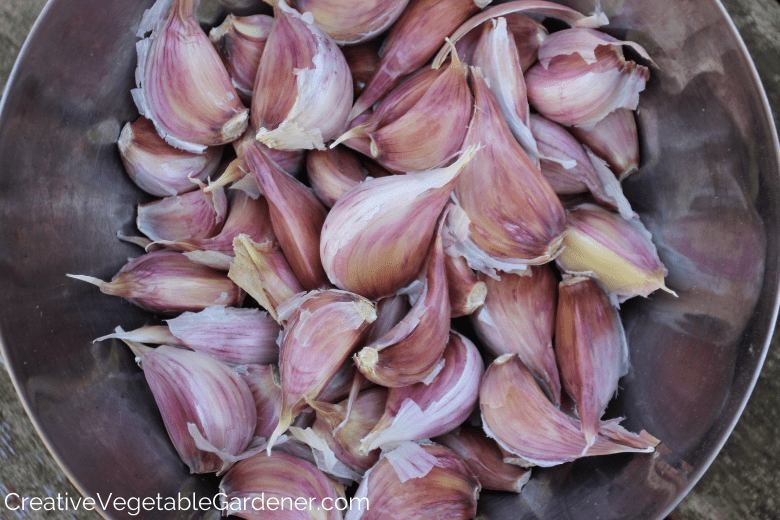
In an ideal world, you planted your garlic in the fall. But, we and our gardens don’t always exist in a reality where we accomplish everything on our garden to-do lists.
In 2019 my husband and I traveled the western US for a year in a teardrop camper. We didn’t return until January of 2020, so I wasn’t able to plant garlic the previous fall. That’s the first year I experimented with planting garlic in spring. And you know what? It worked!
So, if you forgot to plant last fall, moved to a new house in winter, or just discovered that you want to grow garlic, planting garlic in spring is an option.
And growing garlic is incredibly easy, particularly for gardeners in cold climates.
Grab your garden gloves and let’s jump into how to plant garlic for summer harvest.
One of the big benefits of growing your own food is the ability to plant vegetables you wouldn’t find while walking down the produce aisle of your local grocery store.
You can buy orange carrots, green beans, and red tomatoes anywhere.
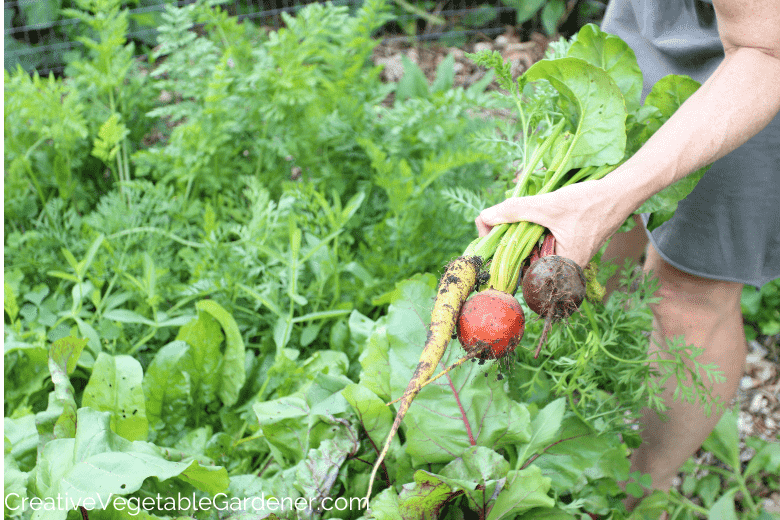
But, in your garden, you can leave those boring choices behind and choose to grow yellow carrots, purple beans, and orange tomatoes instead.
Growing interesting and unique varieties will infuse a sense of fun and adventure into your gardening season.
Neighbors will stop by and ask about the unusual things you have growing behind your fence, little kids visiting your garden will be pleased to pick colorful produce, and cooking with these beautiful varieties will make the chore of dinner prep something you look forward to rather than dread.
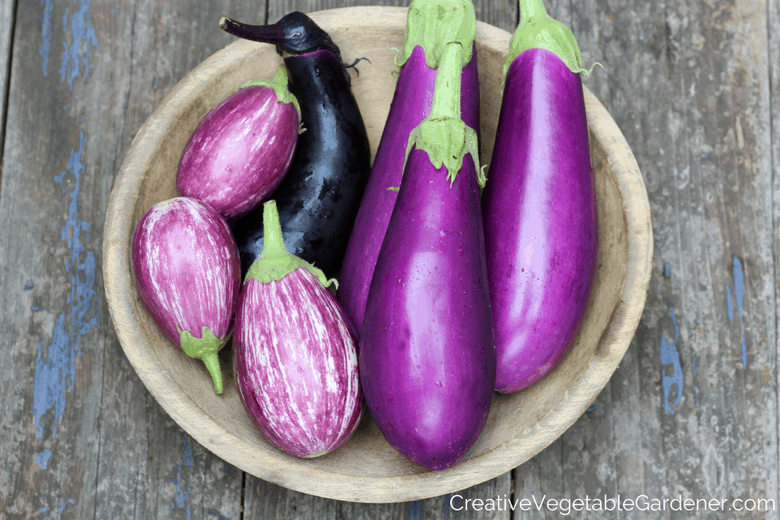
If you’re looking to add a little spice to your garden this year, planting more purple vegetables is a great place to start. There are lots of options for growing this intense color, and it’s the perfect visual complement to all of the green tones in the garden.
Pick and choose your favorites from this list of purple vegetables and add them to your garden plan!
This is the story of when I learned the importance of a quality seed starting mix.
I used to purchase premium potting soil from my local garden store and mix in some worm castings or compost to create seed starting soil at home.
The seedlings started off well, but after six weeks or so they would begin to turn yellow. I knew this meant they had used up most of the nutrients from the soil in which they were growing.
Sometimes I would nurse them along if they were going into the ground in the near future, but in the case of tomatoes and peppers, which get planted late in the season in Wisconsin, I would end up re-potting them (upwards of 70 plants!) into new seed starting soil.
This added a lot of work to my already busy spring gardening schedule.
Then, several years ago I was teaching a seed starting workshop with a friend who creates his own seed starting mix for his plants. He brought some of this homemade seed starter to class for our students to try out at home.
As we were packing up after the workshop, he gave me the leftover seed starter. I excitedly took it home and used it to start my seeds that year.
Fast forward to a few weeks later…I was amazed at how healthy my plants were compared to previous years when I used my bootstrap potting mix concoction.
This was the best seed starting mix I had ever used! There was no yellowing or signs of stress after six weeks – the seedlings remained a deep green color until it was time to transplant them into the garden.
I was so impressed that I vowed to change my seed starting mix the following winter.
But…I’m a minimalist when it comes to gardening and I don’t like things to be too complicated. Buying all of the separate ingredients that were in his recipe and storing them in my basement for many years seemed like a lot of work.
So, I set out to understand the components of the best seed starting mixes and find a more simple solution for making soil for my seedlings.
In this post, we’ll explore how to choose the best seed starting mix to ensure your plants are healthy and happy from the time they germinate until the day they get tucked into the ground.
The easiest people to have on your gift-buying list are those who have a clear obsession passion. You know who I’m talking about, those friends and relatives who are totally in love with a particular hobby, theme, or pastime.
Zealous coffee drinkers, fervent cat people, adventurous world travelers, and… (my personal favorite) impassioned gardeners. You know what they care deeply about in this world, and you love them dearly for it.
We gardeners can be a little intense about our gardens. As soon as the garden season is over we’re already curled up in our cozy reading chairs salivating over the seed catalogs and counting down the days until spring.
That’s why gardeners are one of the easiest groups of people to buy gifts for! We love anything and everything that reminds us of our favorite pastime – vegetables, flowers, nature, insects, chickens, bees, butterflies.
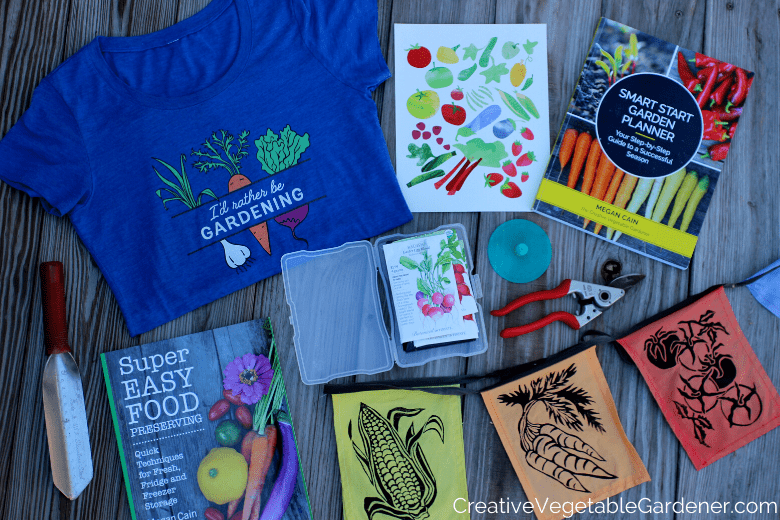
Recently, I looked around my house at all of the amazing garden-themed items I’ve bought myself over the years and realized that many of them would make unique garden gifts for other gardeners as well.
So, if you have a dear friend in your life who’d adore a unique garden gift, here are my absolute favorites.
Most gardeners know that the quality of their garden soil is important, but aren’t sure how to evaluate the condition of what’s in their yard. Often I’m asked, “Should I get a soil npk test?“
The health of your soil is is one of the main factors that affects the success of your garden each season.
When your soil contains all of the nutrients the plants need they’ll grow larger and be more productive, the fruit and vegetables they produce will be a higher quality, and the plants can better resist disease and pest pressure.
Also, when we eat vegetables our bodies absorb the nutrients we need from the food. If your soil is lacking nutrients then your food will as well.
So, basically, if you don’t have healthy soil, all of your other efforts will be wasted. You simply cannot have a well-performing garden with unhealthy soil.
In this article you’ll learn all about soil, what plants need to grow, options for NPK tests, when and how to send away for a soil test, and what to do with the results.



 Whether you’re a rural dweller with a huge vegetable garden or an urbanite who practices small space gardening, you’ve probably tried your hand at growing tomatoes. Everyone loves the savory taste of homegrown tomatoes, and growing them can be fun.